SH300790340
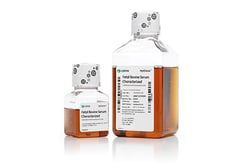
Cytiva HyClone™ Fetal Bovine Serum (U.S.), Dialyzed
Manufacturer: Fischer Scientific
Select a Size
| Pack Size | SKU | Availability | Price |
|---|---|---|---|
| Each of 1 | SH300790340-Each-of-1 | In Stock | ₹ 1,26,714.36 |
SH300790340 - Each of 1
In Stock
Quantity
1
Base Price: ₹ 1,26,714.36
GST (18%): ₹ 22,808.585
Total Price: ₹ 1,49,522.945
Additional Assays
25 Dihydroxy Vitamin D, Albumin, Alkaline Phosphatase, B1
Content And Storage
Sera should be stored at -10°C or lower. Once thawed, sera should be stored at 2° to 8°C.
Specialty Type
Dialyzed
Sterility
Sterile
Grade
Specialty filtered
Tested For
Bluetongue, Bovine Adenovirus, Bovine Parvovirus, Bovine RSV, BVDV
Heat Inactivated
No
Mycoplasma Detected
No
Certifications/Compliance
EMEA Certified
Country of Origin
United States
Quantity
500 mL
Sterilization Method
Sequential-filtered, 100 nm
Processing
Gamma Irradiated (25 to 40 doses)
Endotoxin Concentration
≤ 10 EU/mL
Hemoglobin Concentration
≤ 10 mg/dL
USDA Safety Testing Included
USDA Inspected
Related Products
Description
- Augment growth of cells with U.S.-sourced HyClone™ Dialyzed Fetal Bovine Serum (FBS), depleted of small molecules (less than 10,000 MW) and filtered through sequential 100nm (0.1μm) pore-size rated filters
- Used in applications requiring serum depleted from low-molecular weight components of less than Mr 10 000 The serum is subjected to dialysis through a diafiltration process that reduces concentrations of small molecules such as nucleotides and amino acids that are necessary for alternative biochemical survival pathways The process reduces hypoxanthine and thymidine concentrations below detectable levels While producing the same results, a major difference between diafiltration and traditional dialysis is that the driving force for diafiltration is hydrostatic pressure, rather than the concentration gradient for traditional dialysis Monitoring glucose concentrations carefully controls the diafiltration process The glucose concentration, which is representative of the extent of dialysis, is reported for each lot of serum