W358002
cis-6-Nonenal
≥95%, FG
Manufacturer: Sigma Aldrich
CAS Number: 2277-19-2
Synonym(S): (Z)-non-6-enal
Select a Size
| Pack Size | SKU | Availability | Price |
|---|---|---|---|
| W358002-SAMPLE-K | W358002-W358002-SAMPLE-K | In Stock | ₹ 5,152.70 |
| 25 G | W358002-25-G | In Stock | ₹ 20,231.93 |
| 100 G | W358002-100-G | In Stock | ₹ 53,897.68 |
| 1 KG | W358002-1-KG | In Stock | ₹ 3,48,976.35 |
W358002 - W358002-SAMPLE-K
In Stock
Quantity
1
Base Price: ₹ 5,152.70
GST (18%): ₹ 927.486
Total Price: ₹ 6,080.186
biological source
synthetic
Quality Level
400
grade
FGFragrance gradeHalalKosher
Agency
follows IFRA guidelinesmeets purity specifications of JECFA
reg. compliance
EU Regulation 1223/2009EU Regulation 1334/2008 & 178/2002
Assay
≥95%
refractive index
n20/D 1.442 (lit.)
bp
87 °C/19 mmHg (lit.)
density
0.841 g/mL at 25 °C (lit.)
application(s)
flavors and fragrances
Other Options
| Image | Product Name | Manufacturer | Price Range | |
|---|---|---|---|---|
Sigma Aldrich Fine Chemicals Biosciences cis-6-Nonenal >=95%, FG | 2277-19-2 | MFCD00014683 | 100G | -- | ₹ 52,568.06 | ||
Sigma Aldrich Fine Chemicals Biosciences cis-6-Nonenal >=95%, FG | 2277-19-2 | MFCD00014683 | | -- | ₹ 6,211.66 | ||
Sigma Aldrich Fine Chemicals Biosciences cis-6-Nonenal >=95%, FG | 2277-19-2 | MFCD00014683 | 25G | -- | ₹ 20,019.33 | ||
2277-19-2 | Cis-6-nonenal | -- | ₹ 1,711.20 - ₹ 44,919.00 |
Related Products
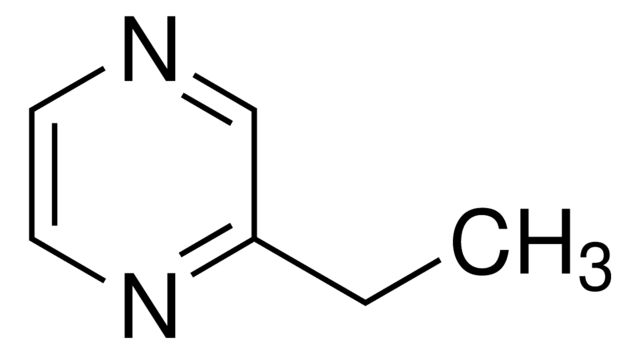
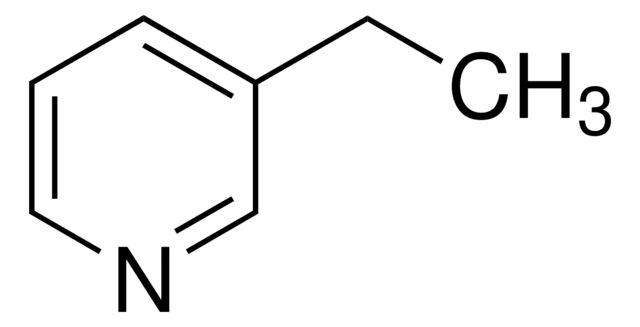
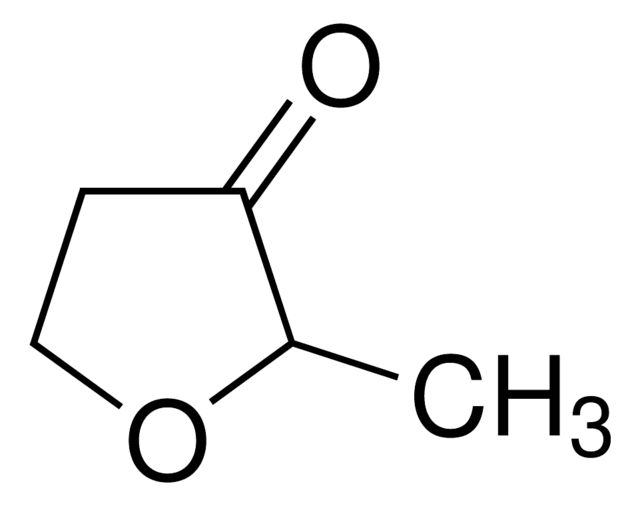
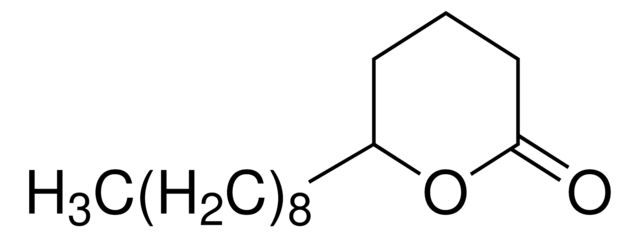
Description
- Application: Anti-Methanogenic Traits of Safflower Oil Compounds Against Methyl-Coenzyme M Reductase Receptor in Equines: An In Silico Docking Analysis.: This study explores the potential of cis-6-Nonenal as a compound in safflower oil that exhibits anti-methanogenic properties. The in silico docking analysis highlights its application in reducing methane emissions in equines, contributing to environmental sustainability and agricultural practices (Khusro et al., 2022). The formation of highly oxidized multifunctional products in the ozonolysis of cyclohexene.: This research investigates the role of cis-6-Nonenal in the formation of highly oxidized multifunctional products during the ozonolysis of cyclohexene. The study provides insights into atmospheric chemistry and the processes involved in the formation of secondary organic aerosols, which have implications for air quality and climate change (Rissanen et al., 2014).
SAFETY INFORMATION
Pictograms
Signal Word
Warning
Hazard Statements
Precautionary Statements
P261 - P264 - P271 - P280 - P302 + P352 - P305 + P351 + P338
Hazard Classifications
Eye Irrit. 2 - Skin Irrit. 2 - STOT SE 3
Target Organs
Respiratory system
WGK
WGK 2
Flash Point(F)
closed cup
Flash Point(C)
closed cup
Personal Protective Equipment
dust mask type N95 (US), Eyeshields, Gloves