247588
Salicylic acid
ACS reagent, ≥99.0%
Manufacturer: Sigma Aldrich
CAS Number: 69-72-7
Synonym(S): 2-Hydroxybenzoic acid
Select a Size
| Pack Size | SKU | Availability | Price |
|---|---|---|---|
| 100 G | 247588-100-G | In Stock | ₹ 4,492.38 |
| 500 G | 247588-500-G | In Stock | ₹ 9,212.08 |
247588 - 100 G
In Stock
Quantity
1
Base Price: ₹ 4,492.38
GST (18%): ₹ 808.628
Total Price: ₹ 5,301.008
grade
ACS reagent
Quality Level
200
vapor density
4.8 (vs air)
vapor pressure
1 mmHg ( 114 °C)
Assay
≥99.0%
impurities
H2SO4, passes test (darkened)
ign. residue
≤0.01%
bp
211 °C (lit.)
mp
158-161 °C (lit.)
anion traces
chloride (Cl-): ≤0.001%sulfate (SO42-): ≤0.003%
Other Options
Related Products
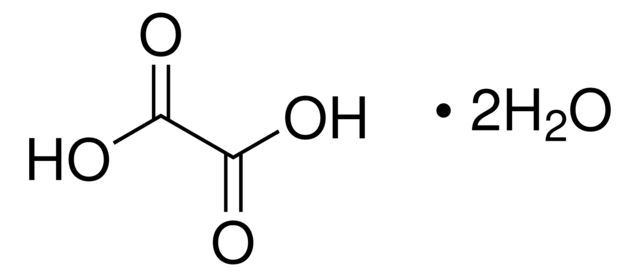
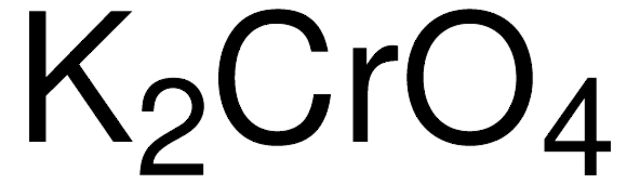
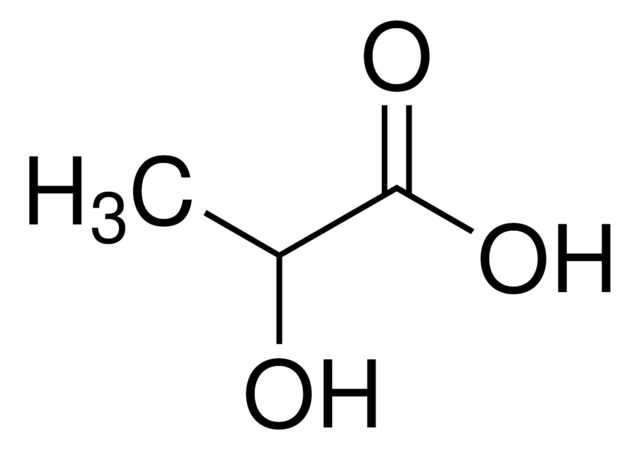
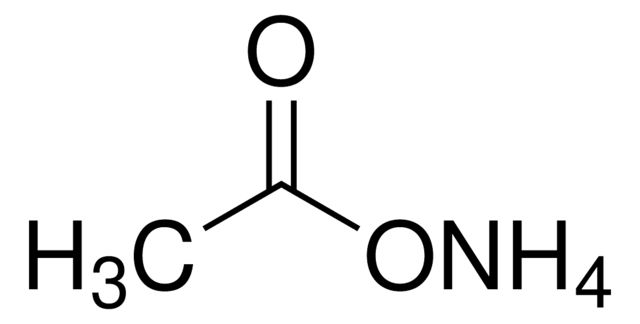
Description
- General description: Salicylic acid is mainly used as the precursor to synthesize aspirin, a commonly used analgesic and antipyretic.[1] Due to its keratolytic action, it is also used in topical ointments.[2]
- Application: Salicylic acid has been used:as one of the chemical compound in exposure-based validation of in vitro gastrulation model employed in developmental toxicity screening assays[3]as a reference standard in salicylate quantification by reverse-phase high-performance liquid chromatography (RP-HPLC)[4]
- Biochem/physiol Actions: Salicylic acid (SA) delivers local and systemic acquired resistance (LAR and SAR) against various diseases in plants.[5] It acts as a secondary metabolite and regulate various physiological processes such as respiration, stomatal closure and senescence-associated gene expression. In addition, SA also controls abiotic stress, basal thermotolerance, nodulation in legumes and fruit yield. It plays a vital role in modulation of flowering and thermogenesis (heat production) in plants. SA together with reactive oxygen species (ROS) and nitric oxide (NO) triggers cell death in plants.[6]
SAFETY INFORMATION
Pictograms
Signal Word
Danger
Hazard Statements
Precautionary Statements
P202 - P264 - P280 - P301 + P312 - P305 + P351 + P338 - P308 + P313
Hazard Classifications
Acute Tox. 4 Oral - Eye Dam. 1 - Repr. 2
WGK
WGK 1
Flash Point(F)
closed cup
Flash Point(C)
closed cup
Personal Protective Equipment
dust mask type N95 (US), Eyeshields, Gloves