89-933-486
Abnova™ Human ANPEP (967 amino acids) native Protein from human serum
Manufacturer: Abnova™
Select a Size
| Pack Size | SKU | Availability | Price |
|---|---|---|---|
| Each of 1 | 89-933-486-Each-of-1 | In Stock | ₹ 75,207.24 |
89-933-486 - Each of 1
In Stock
Quantity
1
Base Price: ₹ 75,207.24
GST (18%): ₹ 13,537.303
Total Price: ₹ 88,744.543
For Use With (Application)
Functional Study, SDS-PAGE
Gene ID (Entrez)
290
Name
ANPEP (Human) Native Protein
Purification Method
Saltprecipitation/Ion Exchange Chromatography/Gelfiltration
Quantity
10 ug
Regulatory Status
RUO
Common Name
ANPEP
Biological Activity
> 500mU/mg (L-Leu-pNA at 37°C, pH 7.2).
Protein Tag
None
Form
Liquid
Formulation
In 20mM Tris-HCl, 500mM NaCl, 1mM CaCl
Molecular Weight (g/mol)
110-130kDa
Preparation Method
Native protein purified from human serum
Quality Control Testing
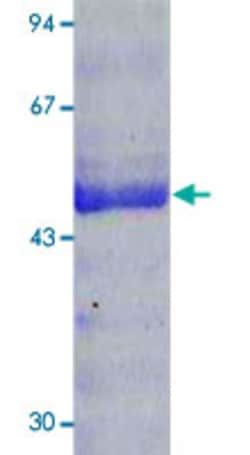
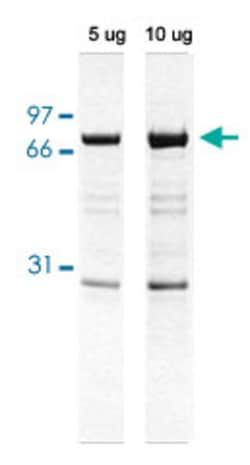
15% SDS-PAGE Stained with Coomassie Blue
Storage Requirements
Store at -80°C. Aliquot to avoid repeated freezing and thawing.
Gene Alias
APN/CD13/LAP1/PEPN/gp150/p150
Gene Symbol
ANPEP
Species
Human
Expression System
Native protein purified from human serum
Purity or Quality Grade
>90% by SDS-PAGE
Related Products

Description
- Aminopeptidase N is located in the small-intestinal and renal microvillar membrane, and also in other plasma membranes
- In the small intestine aminopeptidase N plays a role in the final digestion of peptides generated from hydrolysis of proteins by gastric and pancreatic proteases
- Its function in proximal tubular epithelial cells and other cell types is less clear
- The large extracellular carboxyterminal domain contains a pentapeptide consensus sequence characteristic of members of the zinc-binding metalloproteinase superfamily
- Sequence comparisons with known enzymes of this class showed that CD13 and aminopeptidase N are identical
- The latter enzyme was thought to be involved in the metabolism of regulatory peptides by diverse cell types, including small intestinal and renal tubular epithelial cells, macrophages, granulocytes, and synaptic membranes from the CNS
- Human aminopeptidase N is a receptor for one strain of human coronavirus that is an important cause of upper respiratory tract infections
- Defects in this gene appear to be a cause of various types of leukemia or lymphoma
- [provided by RefSeq]