PI17097
Thermo Scientific™ North2South™ Chemiluminescent Hybridization and Detection Kit
Manufacturer: Thermo Scientific™
The price for this product is unavailable. Please request a quote
Content And Storage
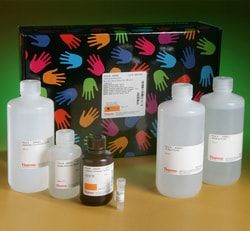
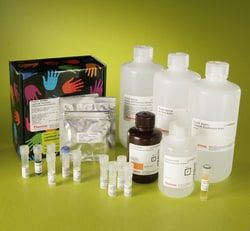
Sufficient For: 1000 cm2of membrane (10 mini-gel blots)• Stabilized Streptavidin-HRP, 1.5 mL• Luminol/Enhancer Solution, 80 mL• Stable Peroxide Solution, 80 mL• Hybridization Buffer, 125 mL• Hybridization Stringency Wash Buffer (2X), 375 mL• Blocking Buffer, 500 mL• Wash Buffer (4X), 500 mL• Substrate Equilibration Buffer, 500 mLUpon receipt, store kit at 4°C.
Format
Kit
Product Type
Hybridization and Detection Kit
Detection Method
Chromogenic
Product Line
North2South™
Quantity
2160 mL Kit
Related Products

Description
- Thermo Scientific™ North2South Chemiluminescent Detection Kit combines a novel ECL substrate for horseradish peroxidase (HRP) and optimized hybridization and blocking buffers to ensure consistent, high-sensitivity Southern blot results
- The Thermo Scientific North2South Hybridization and Detection Kit combines a novel enhanced luminol substrate for horseradish peroxidase (HRP) with optimized pre-made hybridization and blocking buffers to ensure consistent results and high sensitivity
- Any nucleic acid blot can be hybridized with the appropriate biotinylated (biotin-labeled) oligonucleotide probe
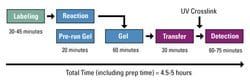
- After a brief membrane blocking step, the biotin label is detected with streptavidin-HRP and a 5-minute incubation with the chemiluminescent substrate
- Results are easily recorded by brief exposure to X-ray film (1-15 minutes) or CCD camera
- Highlights: Sensitivity equal to or greater than 32 P Amenable to many formats High level of light output and consistent low background allows for very short exposure times using cooled CCD camera systems or film Ready-to-use buffers and short process time makes switching from radioactive detection to chemiluminescent detection an easy transition, even for the novice user